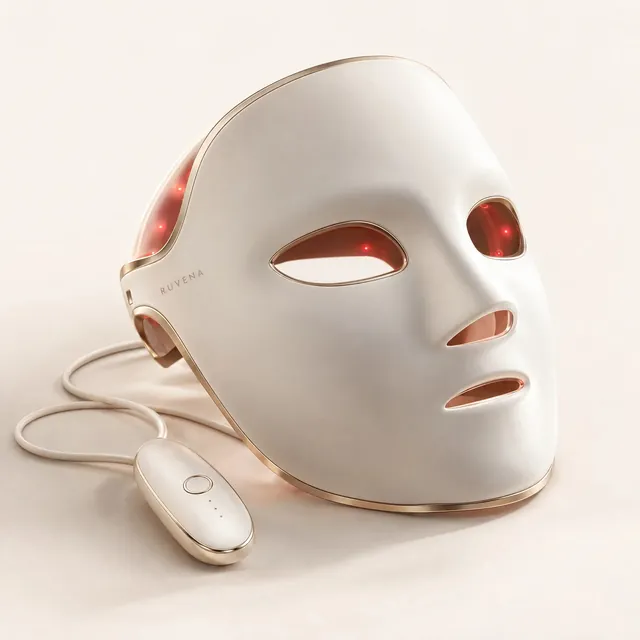
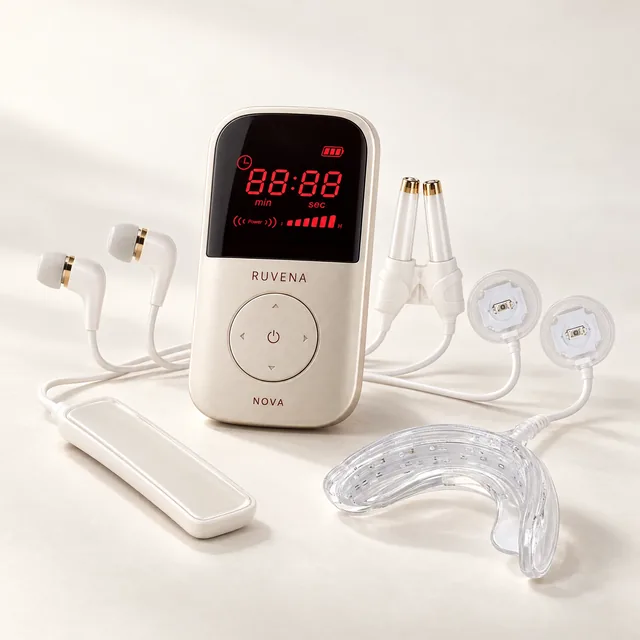
More Than an LED Face Mask
In the publicly available opening of its July 2026 article, The Economist identifies skin, tissue recovery and vision as areas of interest for red light. It specifically mentions the oral mucosa during cancer treatment. This breadth matters: a single popular term often covers very different devices, goals and levels of evidence. [1]
Photobiomodulation is the term for the use of light intended to stimulate a biological response. In dermatology, it includes red and near-infrared light. One area of research is mitochondria, cellular structures involved in energy production. Possible changes in these processes help explain scientific interest, but do not on their own prove benefits from a particular device. [2] [3] [5]
Skin: Promising Results, Different Protocols
The American Academy of Dermatology cites research in which red LED devices improved some signs of skin ageing, such as fine lines, texture or uneven tone. Dermatologists often use light as an addition to other procedures and tailored skincare, rather than as the only solution. [2]
It is important to keep the same context in mind when looking at a home mask or lamp. Studies differ by device, duration and the question they investigate, so their results cannot be compared simply. The AAD therefore stresses the need for further research on home use. A possible improvement is not a guarantee of the same effect for every person, and light does not replace basic care or sun protection. [2]
Oral Mucosa: Where Clinical Guidelines Exist
Oral mucositis can occur during cancer treatment and can seriously interfere with eating and everyday life. The 2020 MASCC/ISOO guidelines recommend certain intraoral photobiomodulation protocols for the prevention of mucositis in adults undergoing haematopoietic stem-cell transplantation and, in specific head-and-neck radiotherapy settings, with or without chemotherapy. [3]
This is a specific example of a medical use, but the recommendation applies to precisely defined protocols and patient groups. The guidelines emphasise that each protocol's parameters should be followed as a whole. A home oral attachment is not automatically equivalent to such an intervention and is not a substitute for an oncology team. If mucosal changes occur during treatment, a healthcare professional should make the decision about light therapy. [3]
Vision: A Specific Medical System, Not a Home Experiment
In November 2024, the U.S. FDA authorized marketing of the specific Valeda Light Delivery System to improve vision in certain adult patients with dry age-related macular degeneration, or AMD. The system uses three LED sources at different wavelengths. The FDA reports an average improvement after about two years equivalent to roughly one line on an eye chart. [4]
That result is tied to a specific system, indication and medical use. It does not mean that looking at a red lamp improves vision or that an LED mask treats eye disease. Discuss changes in vision with an ophthalmologist; do not try to replicate eye protocols with a home device. Always use eye protection as directed in the instructions for the specific device. [2] [4]
Glucose: An Interesting Early Finding in Healthy Adults
Researchers affiliated with UCL described a randomized study involving 30 healthy participants, divided into a group exposed to red light at a wavelength of 670 nm and a placebo group without light. During a two-hour test after glucose intake, the light group had a smaller rise in glucose and a lower peak response. This is an interesting early signal of a possible metabolic effect. [5]
Participants had no known metabolic disease and were not taking medication. This small experiment therefore does not show that red light treats diabetes or replaces nutrition, movement and prescribed therapy. Further clinical research is needed for such conclusions. The study settings are not instructions for independently managing blood sugar with a home lamp. [5]
Applying These Findings to an Informed Choice
The most useful question is not simply whether red light works, but for which goal, with which device and according to which protocol. Wavelength is one part of the answer. The light source, dose, area treated and method of use also matter. Findings from the studies mentioned are not clinical evidence for RUVENA products or a guarantee of results at home. [2] [3]
For a personal routine, choose a format based on the area and intended method of use, and read the specifications and instructions. If you take photosensitising medication, have a light-sensitive condition or want to treat a specific concern, speak with a healthcare professional first. The value of this field lies in connecting interesting science with clear information, not in turning every new finding into a grand promise. [2]
Sources
- The Economist — The surprising benefits of red light
- American Academy of Dermatology — Is red light therapy right for your skin?
- MASCC/ISOO clinical practice guidelines for the management of mucositis secondary to cancer therapy
- FDA Roundup: November 5, 2024 — Valeda Light Delivery System
- UCL — Red light can reduce blood glucose levels
Find your light ritual.
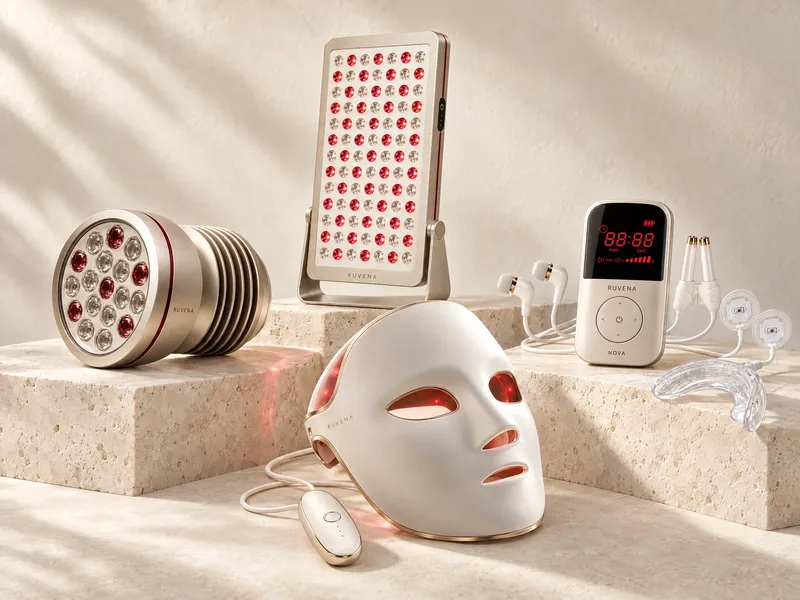
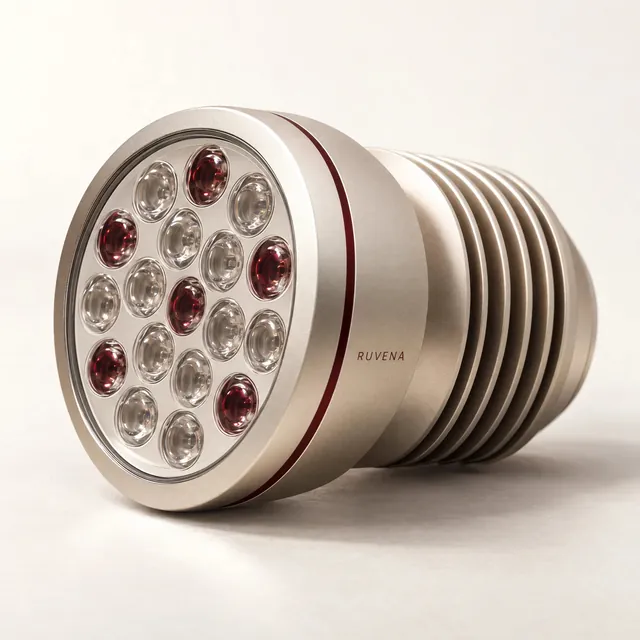
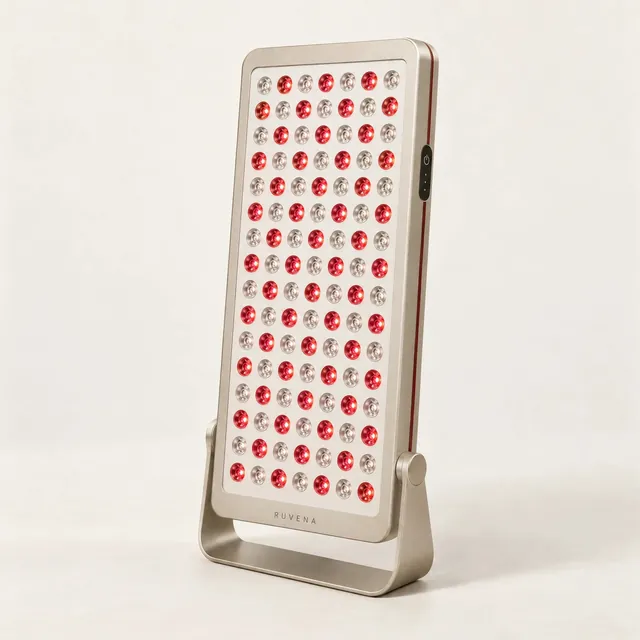
Face care, a targeted area or a little more space? A few simple questions help you find the device that fits your everyday life.
- Five short questions
- Clear reasons for your match
- All four RUVENA devices